If your waistline is quite particularly bloated or your belly hangs over your pant belt line, this is for you. If you need to lose 150 pounds or have a chronic illness(es), or have had failed back surgery, you may have chronic inflammation that leads to chronic metabolic syndrome, pre-diabetes, and diabetes.
When a body process becomes "chronic", that usually means it lasted three months or longer. The body's response to acute or chronic conditions leaves the cellular milieu with cytokines and signaling factors in abundance: T and B cells, macrophages, substance P, tumor necrosis factor, COX2, glutamate, NMDAR, TGF-Beta, IGF-1, PDGFR, VEGF, and PGE2.
At The MD, PhD is In, we have a key focus on chronic diseases and pain. The key is diet. So let's learn about a logical and lifetime-worthy endeavor to fight such things as heart disease, diabetes, bacteria, fungus, viruses, parasites, aging, cancer and infections. But now, we're calling it
The Chronic Life DietWhat is The Chronic Life Diet? It is anti-inflammatory and immune-boosting, promoting the body's own defenses. It's also immunonutrition. The immune system benefits by molecules that fight infection. And of all things, it turns out that proper and focused nutrition and encourages a healthy lifestyle improves this process:
~ by Dr. Margaret Aranda
🍏 🍎🍏 🍎🍏 🍎🍏 🍎
Immune System Boost
+
Targeted Nutrition
= "Immunonutrition" = "The Chronic Life Diet"
🍆 🍉 🍆 🍅 🍆 🌶 🍆 🍉 🍆
5 Facts about "The Chronic Life Diet"
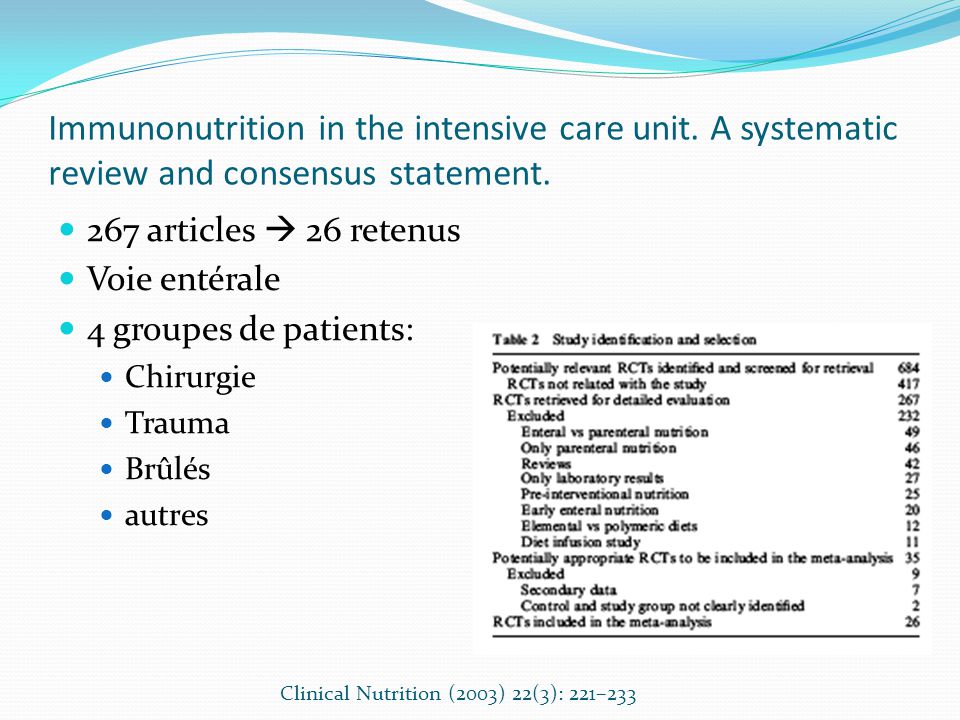
- History: The Chronic Life Diet increases anti-inflammation and decreases allergic or histamine-releasing foods. It is founded on the concept of immunonutrition, studied and used in worldwide Intensive Care Units (ICUs) since at least 2003. Today, we extend it from the ICU to the breakfast table as The Chronic Life Diet. Fish oil, for example, when given to patients in the ICU, prevents heart attacks and other inflammatory processes:
~ ~ ~
2. Anti-inflammatory: Foods with anti-inflammatory properties can slow aging, and decrease the chance of chronic metabolic syndrome: obesity, diabetes, heart disease and cancer. All the major killers can be linked to inflammatory processes. Read our article, The Chronic Metabolic Syndrome is Killing US. It is a major predictor of obesity, diabetes, heart disease and stroke.
The Top Killers, all Treated by The Chronic Life Diet.
3. Immunity in the Gut: The gut contains over 70% of the body's immune system. Foods in The Chronic Life Diet change the gut flora to increase the "good" bacteria and decrease the "bad" bacteria. It cleanses out toxins and boosts the immune system. It lowers anti-oxidants, restores gut lining leaks, and fosters good health, from the inside out. This is exactly why probiotics are so important to your overall health.

The Importance of the Gut in Fighting Infection.
~ ~ ~
4. Food is Medicine: What you eat either makes you well or makes you sick; it is also good for mental health due to sensory stimulation of the nose, eyes, ears and taste buds.Rich sources of anti-inflammatatory foods:
fish, nuts, fruits, vegetables and herbs.
~The MD, PhD is In

This is why the tradition of "toasting" wine glasses was founded, as the ears then get to participate in the dining experience.
The Chronic Life Diet focuses on food that is good medicine to the body, mind and soul.
The dining experience is to be enjoyed, food brings a certain happiness or hedonics to our lives, so make sure and surround yourself with positive people who love lifting you up to keep moving onward and forward!
5. Anti-Inflammatory: Don't eat out of a box. Eventually, one should be free of sugar, processed foods, artificial color, preservatives, cereal, bread, pasta, rice, carbonated soda, power bars, yogurt with fruit and sugar, and other foods that just do not decrease inflammation.
When you eat food, it needs to fight for your health.
It needs to reverse (or at least not aggravate) your body systems.
This is the concept:
We Combat The Chronic Life's inflammation with
The Chronic Life Diet.
~ The MD, PhD is In
~ ~ ~~ ~ ~
Additional Articles by Dr. Margaret Aranda
~ ~ ~
Read Dr Margaret Aranda's Memoirs:
~ ~ ~
Follow Me: Let's Tweet and be a FB Caring Friend, too!
LIKE my Public Figure FB Page if you will, please!


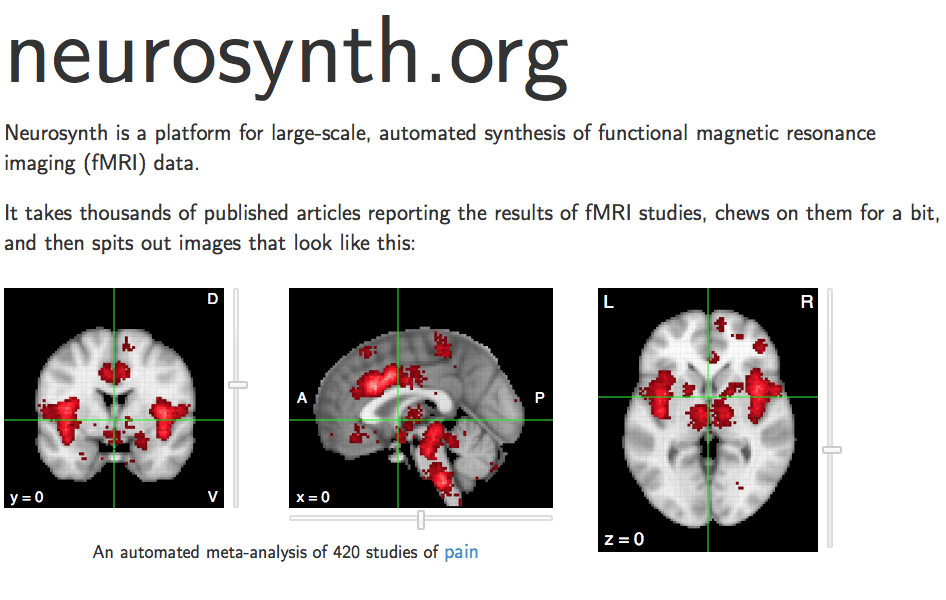 These are the brain areas affected by pain.[/caption]
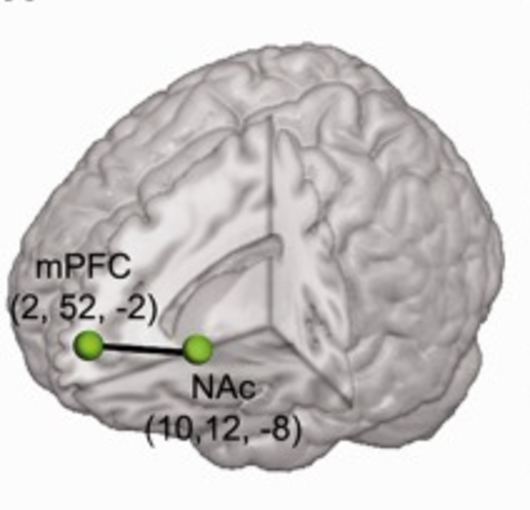 Hashmi JA, Balike MD, Baria AT, et al. Brain. 2013[/caption]
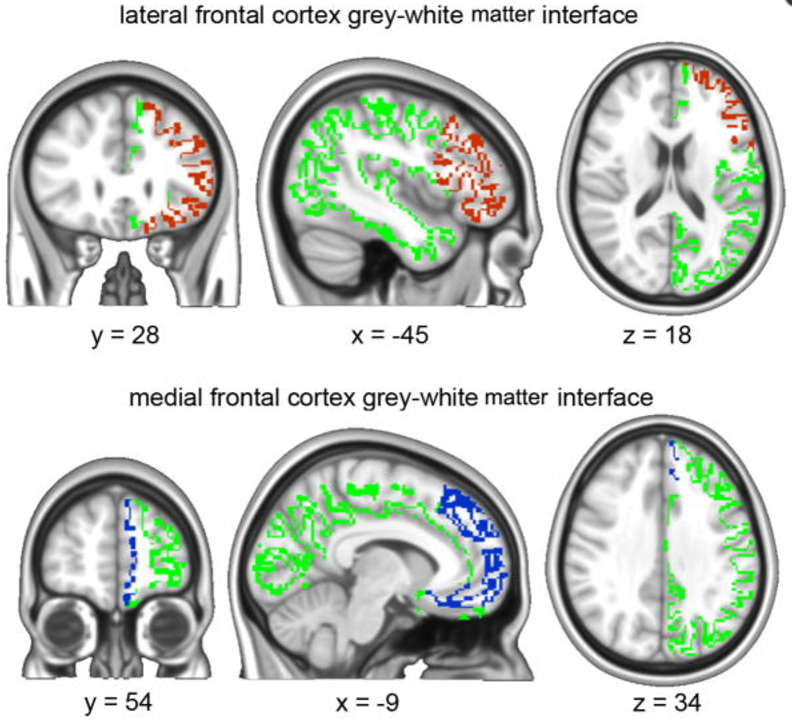 Mansour AR, Baliki MN, Huang L, et al. Pain. 2013[/caption]
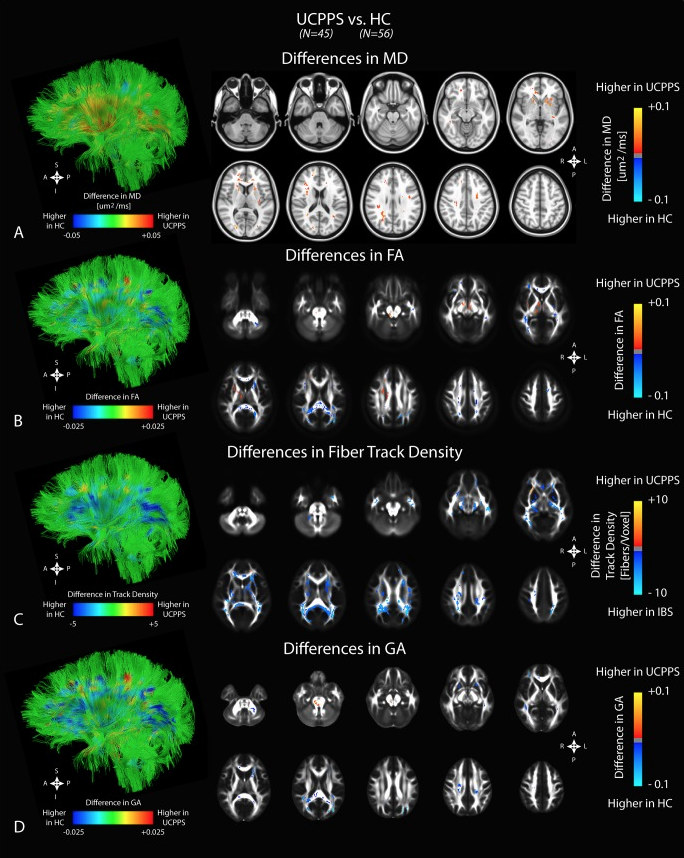 Unique microstructural changes in the brain associated with urological chronic pelvic pain syndrome (UCPPS) revealed by diffusion tensor MRI, super-resolution track density imaging, and statistical parameter mapping: A MAPP Network neuroimaging study. 2015.[/caption]
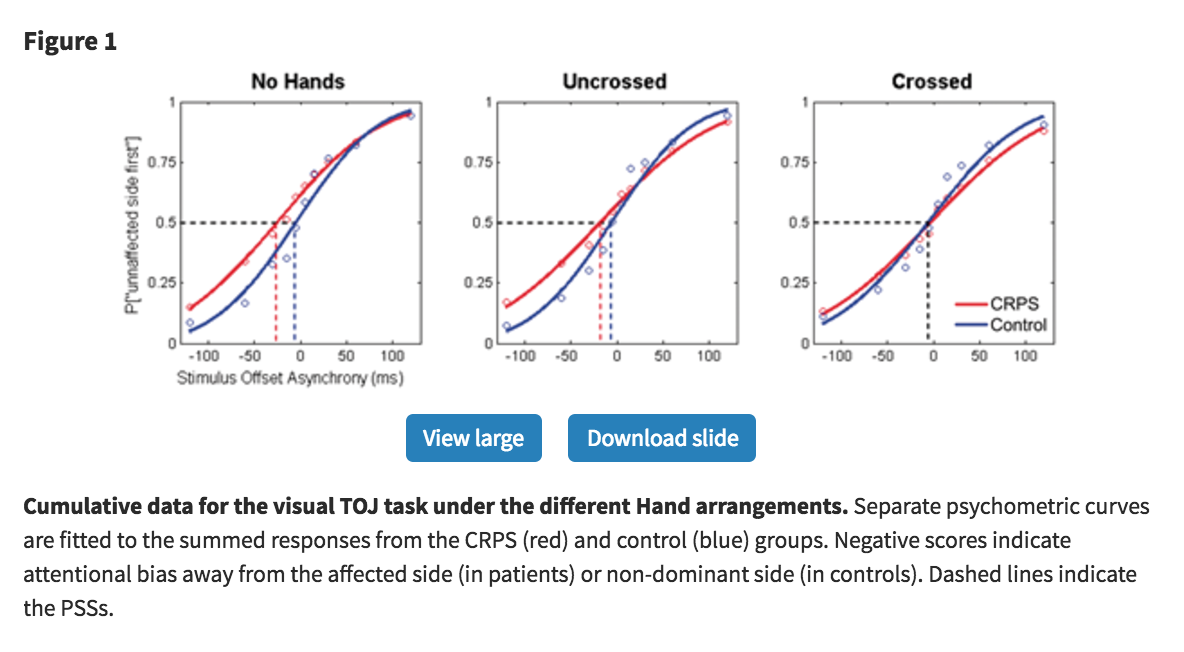 Space-based bias of covert visual attention in complex regional pain syndrome. 2017.[/caption]
 Pain vulnerability: a neurobiological perspective. 2014.[/caption]
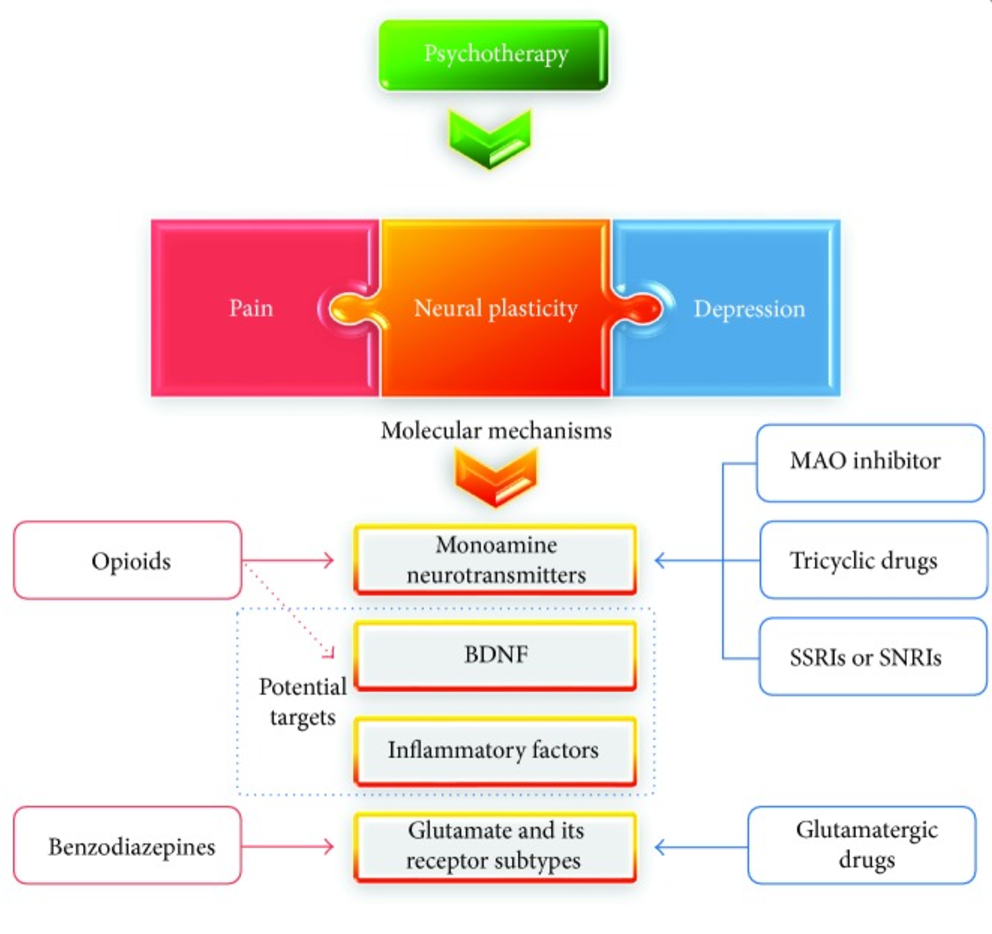 The Link between Depression and Chronic Pain: Neural Mechanisms in the Brain.

